
The Douglass SPD Dauntless – my dad trained in this aircraft during World War II. The war ended just before he was to be deployed to the Pacific.
A few weeks ago, Erin Meyer shared an interesting post on LinkedIn. Two individuals, one from Japan and the other from Germany, shared their views on working with U.S. leaders. They found that U.S. leaders came across as far less egalitarian than they had been led to believe.
Ms. Meyer has spent decades studying gaps like this one, and her book The Culture Map remains one of the most valuable I have read for understanding how cultural norms shape the way people experience leadership. My copy is always close at hand and full of highlights and notes.
Meyer's post drew a range of reactions, which was the real point. The perception of a person's leadership style is, in some ways, in the eye of the beholder. What one person reads as confidence, another sees as inflexibility or arrogance. One sees openness; another sees indecision.
Meyer closed her post with a simple question: How do you lead?
That question deserves more than a one-word answer.
I have a specific definition of egalitarian leadership, and it does not match what people often assume. Egalitarian leadership is about inclusion. It means gathering information and ideas from everyone before deciding, not abdicating the decision itself to a vote.
The person accountable for the results is responsible for making the final call. Business is not a democracy, even when it borrows democratic habits like open input and honest debate. Confusing the two is how well-meaning leaders end up failing to makes decisions that are their responsibility.
I have different thoughts than the framing in Meyer's question implies. I do not believe leadership style is fixed by culture or personality. It is fluid.
How we engage and direct changes depending on whether we are managing a crisis, planning for the future, or running normal operations. The style that works in a turnaround will frustrate a team in steady-state mode, and the reverse is just as true. A leader who runs every planning session like a crisis burns out a team that never needed the urgency.
What must remain constant.
What stays constant is something deeper than style. At the core, everyone carries a personal moral code. It drives how we behave in every situation, whether we notice it or not. It drives how we treat people and approach making ethical decisions.
Experience shapes how we apply that code over time, and it helps us rewrite and strengthen it as we go. Our codes evolve, and they should.
What must never happen is letting that evolution compromise our core values. Style can flex. Values cannot.
The Leader With A Thousand Faces
In my book, I write about how leaders need to adapt their approach based on the situation in front of them: crisis, turnaround, visionary direction, program and project execution, and day-to-day operations. Each calls for a different mix of direction and delegation. Leaders who apply one style everywhere eventually run into a situation their default approach cannot handle. We owe it to our teams to keep reflecting on how we lead, because the factors that shape the right approach rarely stay still for long.
One of the most challenging factors is understanding how different groups will respond to feedback. Some cultures expect direct, unfiltered input and treat softening the message as a sign of disrespect. It helps to remember the difference between blunt and brutal here.
Blunt tells someone exactly where they stand. Brutal does the same without any regard for how it lands. In other cultures, that same directness requires real diplomacy, delivered with care for how it is received.
The worst approach: the feedback sandwich. Coaching delivered between two compliments. Most people see through it immediately, and it tends to blur the important message underneath. Neither extreme, unfiltered bluntness or over-cushioned vagueness, actually serves the person receiving the feedback.
Ultimately, leadership requires full presence. Presence leads to understanding, and understanding is what enables us to adapt. The hardest leadership moments are not the routine ones. They arrive at the inflection points, when steady management on its own is no longer enough, and the path forward calls for real change.
Style bends with the wind, values anchor the ship, trust survives the shift.
Related articles
A New Way to Defuse Global Team Conflict | Management Issues
Measuring the Adaptability of Your Leaders | 5app
How to Give Feedback to Cross-Cultural Teams | In Business Phoenix
Leadership styles: the most common and how to find your style | Jostle
Chips And Salsa: Bite-Sized News and Posts
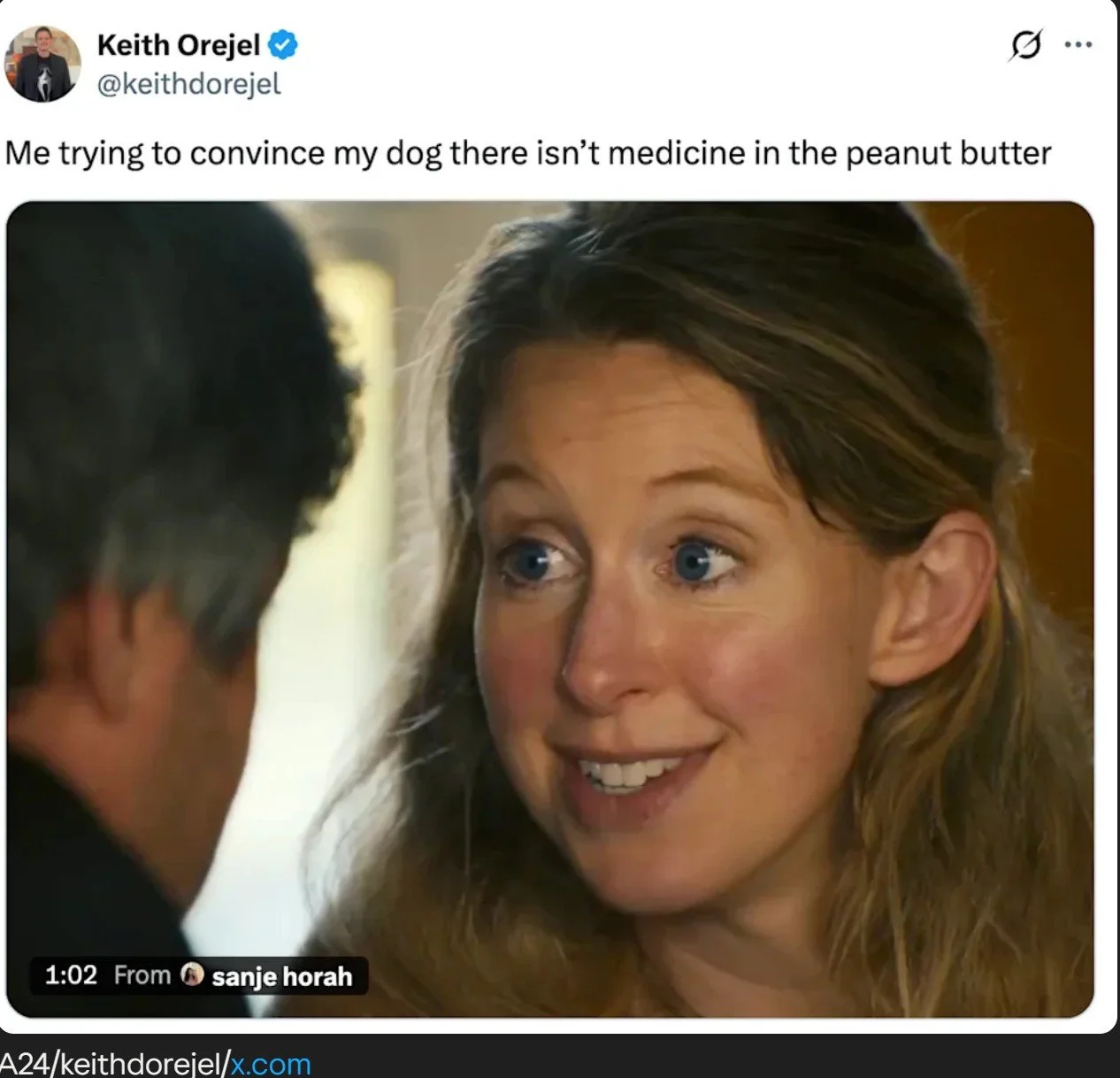
This ought to be interesting. When you look at the Theranos saga, one part of the story does not get much attention. How could the board of directors, which included several high-profile members, fail to fulfill their obligations to oversee the company? Board members included two former Secretaries of State, two former Secretaries of Defense, two former Senators, and multiple respected business leaders. (I could not resist sharing the meme – sorry, not sorry.)
The New Elizabeth Holmes Documentary From Nathan Fielder | The New York Times
Two things about college. It's not right for everybody. We need skilled trades and service workers just as much as we need careers that require college degrees. When considering advanced degrees, almost no one builds a business case. Will a second degree generate an ROI in future income that makes it worth the cost?
How AI Is Reshaping the Case for a Degree | Axios
The most important time to build and maintain strong networks is when you are employed and don't think you need to.
The Biggest Career Regret in the AI Era | Yahoo Lifestyle
Original: Buying a car is so very painful.
Why Do We Have to Negotiate Over Car Prices | Marketplace
This is an important question about AI that almost no one ever asks.
Does AI's Productivity Boost Show Up in Outputs | MIT Sloan
Making room for other possibilities applies to more than evaluating people.
Your Beliefs About People Can Change | Nir Eyal's Substack
I love a good map.
The UN Vote Over the World Map's Distortions | The Guardian
The biggest downside to remote work is the loss of informal learning and building solid relationships.
Remote Work's Hidden Cost to Learning on the Job | The Conversation
I use AI to help me write better. I do not use it to choose what I write about or the opinions I share.
I Don't Care if AI Wrote It | Philosophy Today (Medium)
The Economy
Crossing $40 trillion made the federal debt a talking point. My recent newsletter is one of several I wrote about the risk the debt poses for everyone.
Can We Really Grow Our Way Past $40 Trillion | Yahoo Finance
The effect of the current bond market.
What the Bond Market Is Saying About the Debt | The New York Times
I don't know if Buffett's idea would work. It would be nice if we voted based on outcomes rather than the ability to raise money and make less annoying ads than the opponent.
Warren Buffett's Idea to End the Debt Fight | Yahoo Finance
Original: Some say Europe is in worse shape than the U.S. Others see it a European opportunity to make the Euro the reserve currency of choice.
Suggested edit: Some say Europe's sovereign debt picture is in worse shape than the America’s. Others see it as a European opportunity to make the Euro the reserve currency of choice.
U.S. Debt Is a Challenge, Europe's Is a Crisis | Moomoo
America's Fiscal Crisis Is Europe's Treasury Market Chance | Social Europe
My last newsletter about the Federal debt.
40 Trillion Later, Still Waiting on a Plan | Mark Rapier on LinkedIn
Science
The planet is getting warmer. Many debate the causes. Some try to debate the reality.
The Largest Proof of Climate Catastrophe | Upworthy
The Sahara Desert Is Secretly Feeding the Amazon | Space Daily
How Ice and Rock Triggered Nepal's Catastrophic Flood | The Conversation
Retirement can free us from many things.
Psychology Says Quiet Retirees Haven't Really Retreated | Silicon Canals
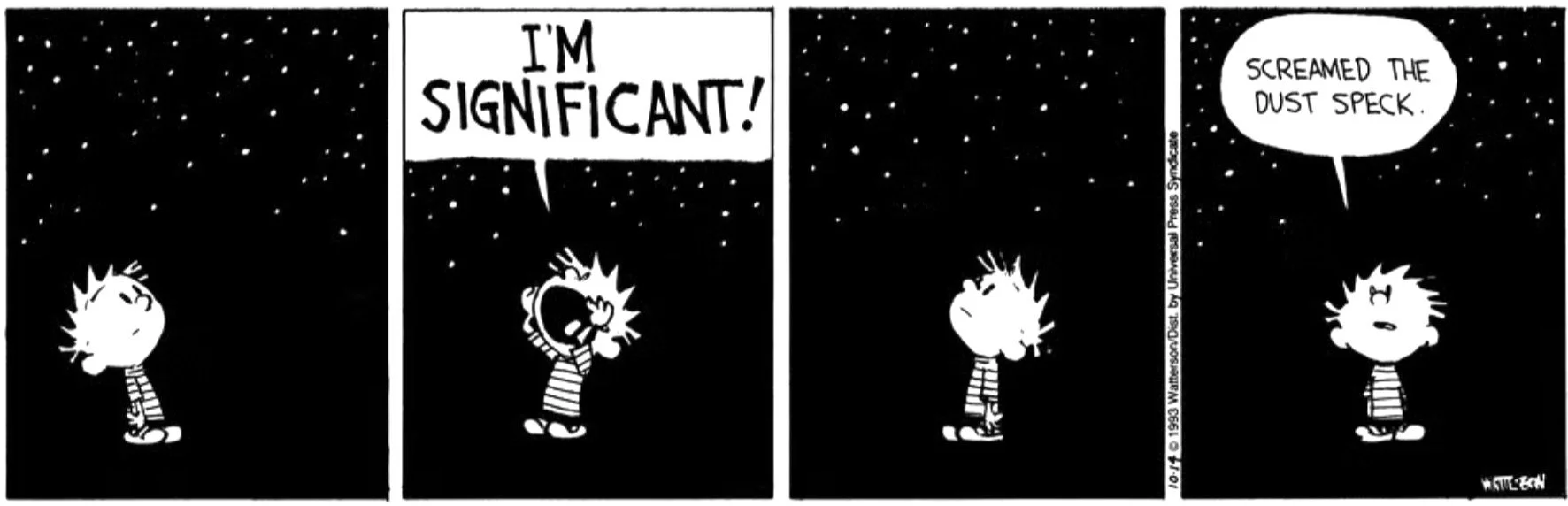
Always remember that you are…
Quotes
"Don't get so busy making a living that you forget to make a life."
Eric Roth
"The greatest threat to our planet is the belief that someone else will save it."
Robert Swan
"Be more concerned with your character than your reputation, because your character is what you really are, while your reputation is merely what others think you are."
John Wooden
Join the Conversation
Subscribe on LinkedIn, Medium, or Substack.
Leadership is the most important work we do—in business and in life. I've spent over 40 years working with leaders across more than 100 companies, and I'm still learning. These newsletters share my thoughts on leadership today and what we can learn.
I need your help making this better. What topics hit home? What misses the mark? What leadership challenges are you wrestling with right now? Send them my way.
I use AI to enhance my writing. All of the ideas, recommendations, and opinions are mine. To read about my process for leveraging AI, please read this newsletter.
Find The Leader With A Thousand Faces and other recommended books on my website.