
The Unexpected Story Behind the Biltmore House
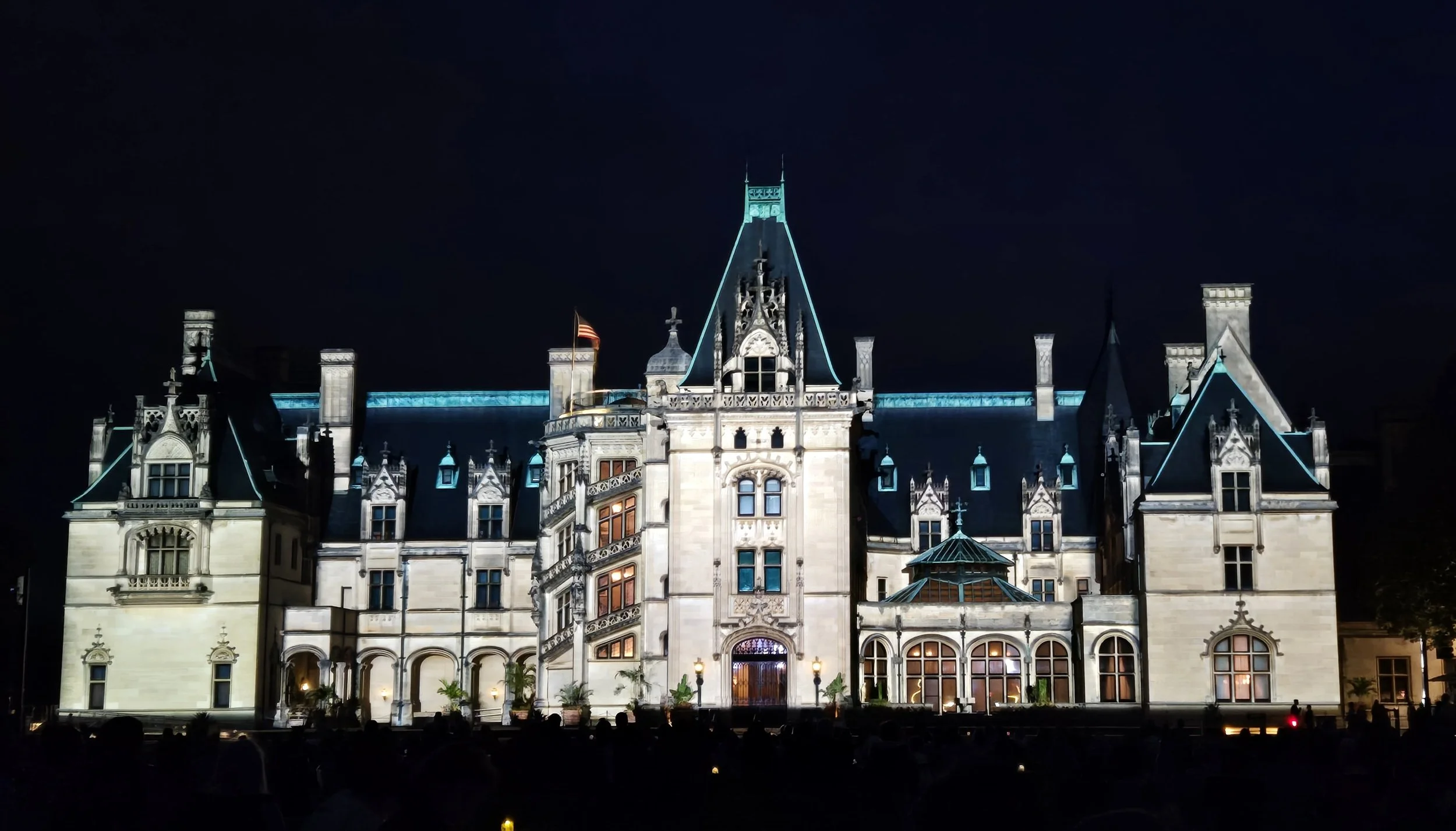
Photo by author
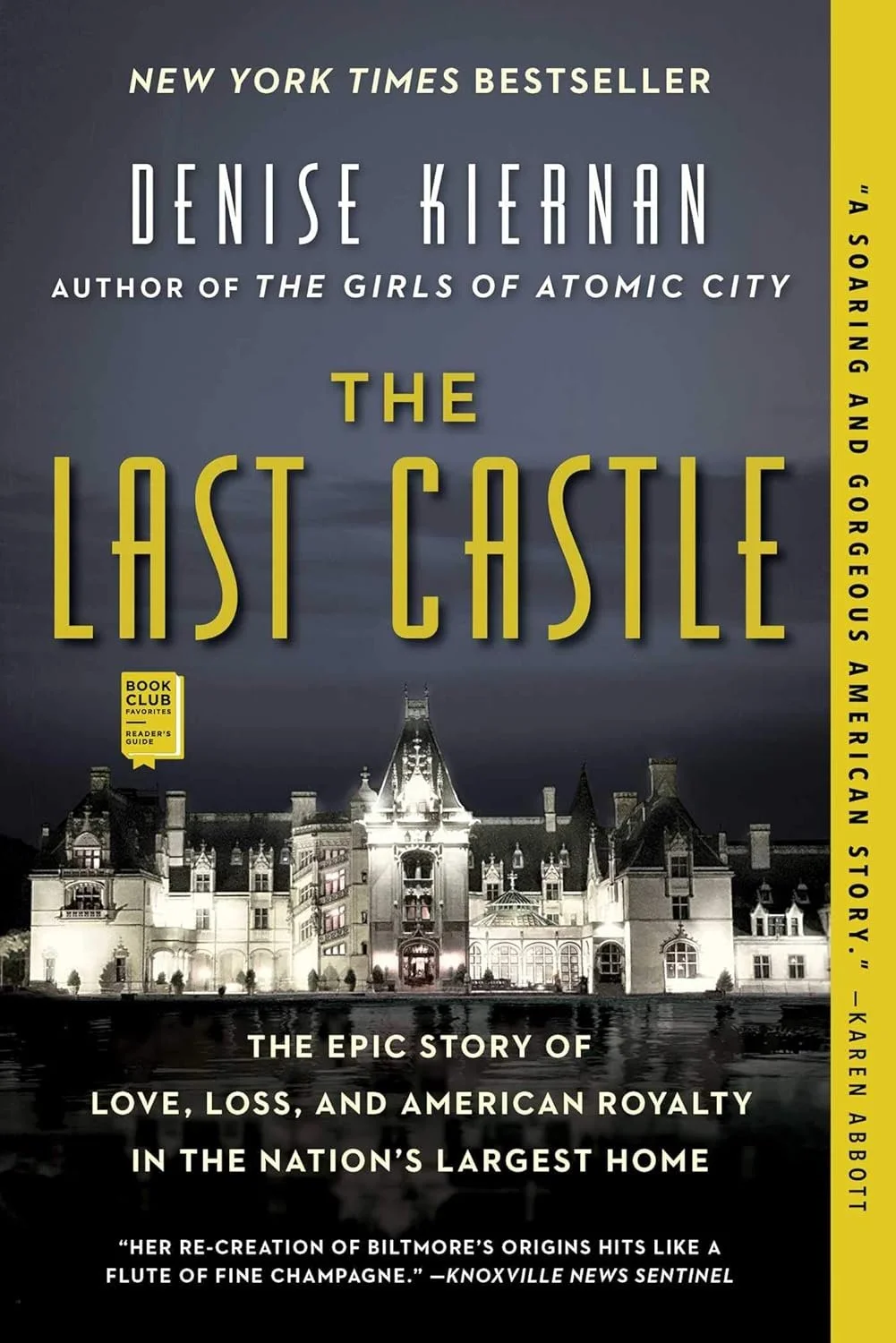
My wife and I visited the Biltmore House in Asheville, North Carolina. It is the largest home ever built in the United States. The scale is impressive, and touring 250 rooms gives us a good look at how the wealthiest American families lived during the Gilded Age. Before the trip, I read The Last Castle, a history of George Vanderbilt and the estate. It added a lot of context to what we saw.
Most of the story is what you would expect from a 250-room mansion built by one of the wealthiest families in America. What is less well known is the broader scope of what Vanderbilt actually built.
George Vanderbilt Wanted More Than a Mansion
The estate required a large workforce to build and operate, and Vanderbilt created a village to house them. It included schools, a hospital, and a church. The church, called All Souls, was chartered as a public parish church for the entire village, not as a private chapel for the family. The distinction matters. It was built to serve the community, not the estate.
Vanderbilt also had a serious approach to managing the land. When he began buying property, the forests were in poor condition because of overharvesting. He hired Frederick Law Olmsted, the architect of New York's Central Park, to plan the grounds. Olmsted brought in Gifford Pinchot to manage the forests.
Pinchot developed a forest management plan to restore the land, with the goal of generating revenue from timber. It was the first scientifically managed forest in the United States and became a national model. He later became the first head of the U.S. Division of Forestry under President Theodore Roosevelt, a role he was offered largely in part because of the work he did at Biltmore. When Pinchot left for Washington, Vanderbilt brought in Dr. Carl Schenck, who continued the forestry program and founded the Biltmore Forest School. The school operated for fifteen years and graduated more than 300 students. It was the first professionally trained foresters in the country.
The mansion, the village, and the forestry program were not separate projects. They were part of the same plan. Vanderbilt built the house, housed and educated the people who worked there, and managed the land as a productive resource. He did not choose one over the others.
Most organizations focus on what is visible – the announcement, the new product, the flagship initiative. Many essential parts that are harder to see: the workforce development, the infrastructure, and long-range planning tend to get less attention. At Biltmore, the parts that are harder to see are the ones that had the most lasting impact.
Vanderbilt's choices were not only about the luxurious home. They were the choices of someone willing to invest in a different kind of future. That kind of decision is harder to make, and harder to sustain, than it looks.
Thoughts on Asheville
Asheville is worth the trip on its own. We found a city with a strong mix of independent businesses. We counted almost a dozen coffee shops, all independent operators. The restaurants were just as local. There are a lot of galleries. And we found a bar where you can play any classic pinball machine you want for ten dollars. It was great fun.
Still water reflects
What the eye sees, while it hides
More beauty below.
Related articles
Why Don’t Philanthropists Build Anymore? | Stanford Social Innovation Review
Gifford Pinchot: America’s First Forester | More Than Just Parks
Biltmore: The birthplace of American Forestry | Biltmore.com
Chips And Salsa: Bite-Sized News and Posts
Woodstock was a cultural milestone of the 1960s. The business venture behind it was not successful. Royalty payments finally enabled the organizers to break even in the 1980s. The concert may never have happened without denture cleaner.
The Business History of Woodstock | American Business History Center
In many cases, simple, low-cost, low-tech solutions can outperform complex, high-cost, high-tech systems.
A Ukrainian drone attack reveals the limits of laser warfare | Fast Company
The collapse of the Francis Scott Key Bridge revealed risks that had always been present but had gone unrecognized. In many businesses, single points of failure hide in plain sight.
States spend to reinforce at-risk bridges after Baltimore bridge collapse | Marketplace
Do not confuse tenure with loyalty. As you manage your career, it is important to be prepared to recognize and pursue opportunities. Always be available. Often the next best opportunities are the ones that find you.
The Cruel 'Loyalty Tax’ Blindsiding Workers Who Stayed at Their Jobs for Years | Inc.
You can never know your future. Some things just happen.
Articles about AI
Instant gratification has been a complaint leveled against new technology for years. This is not new with AI. Not only are we less patient, but we are also often less diligent because we do not put in the effort to validate results.
When compared to the launch of Google Glass, I still wonder where the outrage is. Meta has a history of misusing user information without permission. This article shows the behavior is still there.
Meta's smart glasses app contains three undisclosed AI models | Space Daily
From Outcry to Acceptance: The Evolution of Digital Surveillance | Mark Rapier
We are in the reality stage that occurs in every hype cycle. At first, the opportunities abound. Then reality. While the opportunities are real, they may not add value in every situation. When a company's focus shifts from mass adoption to profitable adoption, the cost becomes apparent.
The business of AI's 4 harsh realities | Axios
If you choose to use an em dash and people ask if you used AI, respond with this question. “Have you read F. Scott Fitzgerald, William Faulkner, Emily Dickinson, or Herman Melville?” Large books create large language models in your head.
The Declaration of Independence Is 96% AI, so I Humanized It | Medium
Articles about Science
Measuring most of the world around us is incredibly difficult.
What shape is the Earth? | Aeon
Quotes
“There is nothing noble in being superior to your fellow man; true nobility is being superior to your former self.”
Ernest Hemingway
“When someone is privileged, fairness feels like getting less.”
Malia Lazu
“Sometimes you have to say goodbye to the things you know and hello to the things you don’t.”
Steve McQueen
Join the Conversation
Subscribe on LinkedIn, Medium, or Substack.
Leadership is the most important work we do—in business and in life. I've spent over 40 years working with leaders across more than 100 companies, and I'm still learning. These newsletters share my thoughts on leadership today and what we can learn.
I need your help making this better. What topics hit home? What misses the mark? What leadership challenges are you wrestling with right now? Send them my way.
I use AI to enhance my writing. All of the ideas, recommendations, and opinions are mine. To read about my process for leveraging AI, please read this newsletter.
Find The Leader With A Thousand Faces and other recommended books on my website.